

In 2023, KNP Logistics, a UK-based transport company, suffered a major ransomware attack that eventually forced the 158-year-old company to close. The reported entry point was simple: a weak employee password. Once inside, the attackers locked internal systems and cut off access to critical company data, leaving KNP unable to recover.
The KNP incident shows how ransomware can move beyond IT disruption and become a direct threat to fleet continuity and business survival. For transport and logistics operators, the stakes are rising as fleets become more connected. A single compromise can now reach beyond office IT and threaten the digital infrastructure that keeps cargo, routes, and vehicles moving.
Key points in this blog:
As fleet platforms become more connected, ransomware attacks on transport and logistics operators can turn a single compromise into a fleet-wide operational disruption.
VicOne CyberThreat Research Lab identified two vulnerability classes in fleet-related applications and backend services, with direct implications for fleet operators.
Recommendations include phishing-resistant MFA, stronger API authorization, automated secrets detection, stricter cloud access policies, and broader visibility across fleet platforms.
From Endpoint Encryption to Fleet-Wide Disruption
Historically, ransomware actors followed a more predictable path: gain access through a corporate workstation, move laterally across the internal network, compromise privileged systems, and deploy file-encrypting malware to disrupt operations. That playbook is changing.According to TrendAI’s 2026 security predictions report, The AI-fication of Cyberthreats: Trend Micro Security Predictions for 2026, AI-enabled automation is making ransomware operations faster and more scalable. For fleet operators, this accelerates a broader shift: the attack surface now extends beyond corporate IT to the supply chains, software updates, vendor portals, APIs, and cloud services that support fleet operations.
The objective is no longer to encrypt individual endpoints. A single exposed application, misconfigured cloud service, or compromised upstream provider can disrupt the systems that coordinate entire vehicle fleets.
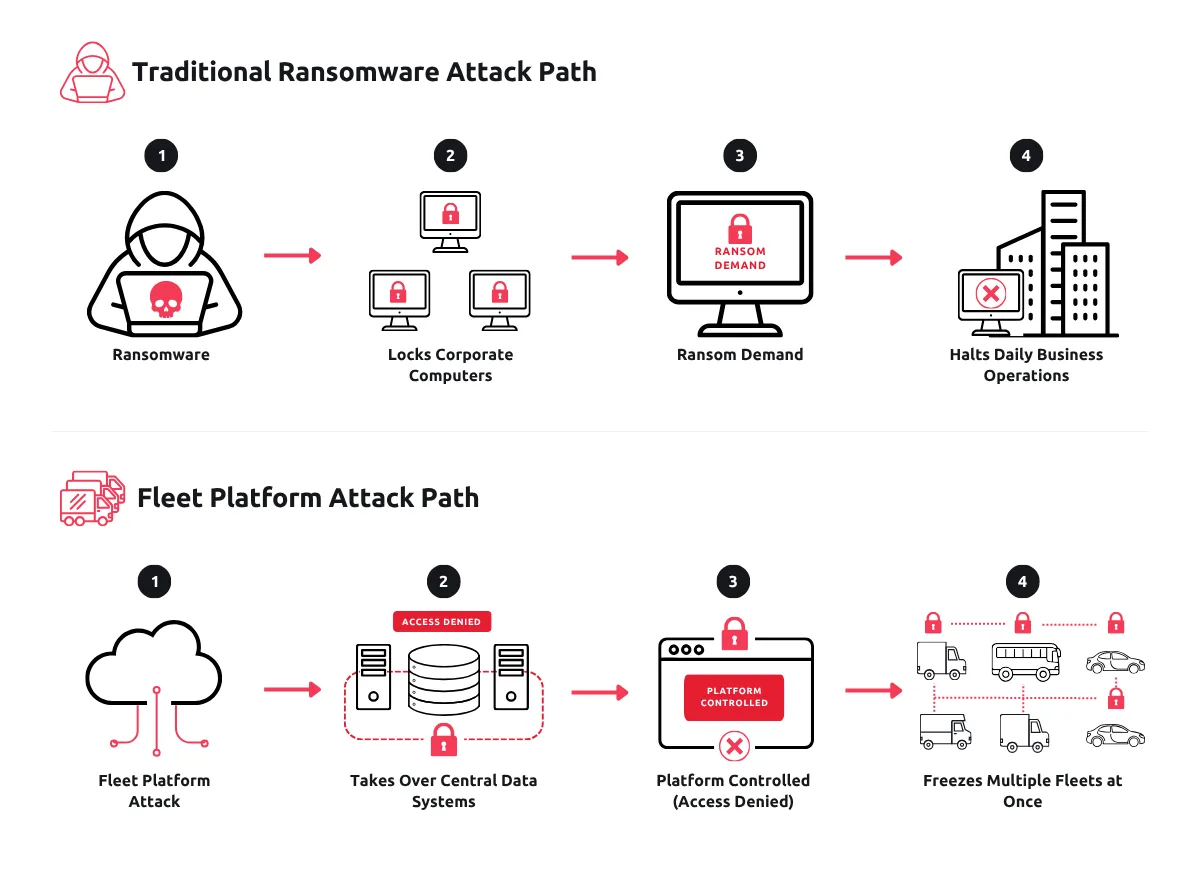
Figure 1. Comparing traditional ransomware and fleet platform attack paths. As fleets become more connected, a single platform compromise can create a wider operational blast radius.
How Ransomware Compromises Fleet Logistics
Ransomware operators do not always need to compromise vehicles directly. In most cases, they begin with exposed or weakly protected systems that sit around fleet operations. Recent incidents involving transportation and fleet-related organizations confirm that initial access remains one of the most critical points of defense.
Common access vectors include:
Unpatched perimeter systems. Public-facing servers, VPN appliances, and web applications that have not been updated against known vulnerabilities.
Compromised remote access points. Internet-facing VPN gateways, remote desktop services, and remote management tools are protected by weak, reused, or stolen credentials.
Phishing and credential theft. Employee accounts are used to access dispatch systems, billing platforms, customer records, or vendor portals.
Exposed cloud and application services. Misconfigured cloud storage, vulnerable APIs, and connected fleet applications can provide access to sensitive operational data.
Third-party and vendor access. Supplier portals, managed service providers, and software platforms that may be trusted by fleet operators but targeted as indirect entry points.
The following recent incidents show how ransomware operators continue to target transportation, logistics, and fleet-related organizations across multiple regions.
| Country/Region | Fleet Type | Compromise Date | Ransomware Operator | Impact |
| Italy/Albania | Road transport | Jan. 5, 2026 | Nova | Critical data allegedly accessed |
| Spain | Road transport | Jan. 9, 2026 | Lynx | Sensitive data at risk |
| UK | HGV cross-channel freight | Feb. 26, 2026 | DragonForce | Sensitive data at risk |
| Germany | Road transport and logistics | Mar. 1, 2026 | Lynx | Sensitive data at risk |
| US | Moving/relocation | Apr. 13, 2026 | Kairos | Sensitive company data at risk |
Table 1. Selected ransomware incidents involving transportation and fleet-related organizations in early 2026
Cloud and Application-Layer Exposures in Fleet Platforms
Fleet platforms depend on cloud services, mobile applications, APIs, and backend infrastructure to coordinate daily operations. This creates risks that endpoint-focused defenses alone may not fully detect.
To better understand these risks, VicOne CyberThreat Research Lab examined fleet-related applications and backend services. The analysis identified two vulnerability classes with direct implications for fleet operators: Broken Object Level Authorization (BOLA) and exposed secrets in application deployment pipelines.
Broken Object Level Authorization (BOLA) in the Cloud
Many fleet tracking applications depend on backend authorization checks to determine which users can access specific vehicles, accounts, files, or operational records. In one reviewed case, application endpoints did not properly validate user permissions when requests were made to backend cloud infrastructure.
This weakness could allow access to resources outside a user’s authorized scope. In the reviewed case, improper permission checks exposed temporary access to backend cloud storage, including Amazon S3 resources containing sensitive operational data such as client documentation, route tracking logs, and driver-related records.

Figure 2. Improper authorization flow exposing access to Amazon S3 resources
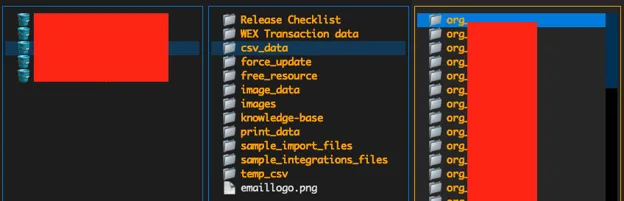
Figure 3. Exposed Amazon S3 bucket contents viewed through s3tui
Exposed Secrets in Application Deployment Pipelines
Hardcoded credentials remain a significant risk across the fleet platform software supply chain. During rapid development and automated deployment, sensitive environment files can be mispackaged or left exposed.
VicOne Cybersecurity Threat Lab identified instances in which fleet platform mobile apps inadvertently exposed their environment configuration files, such as .env files. These files may contain sensitive credentials, including database passwords, private keys, and third-party API integration secrets. If exposed, these secrets could provide a path into backend systems and trusted integrations with minimal additional exploitation.
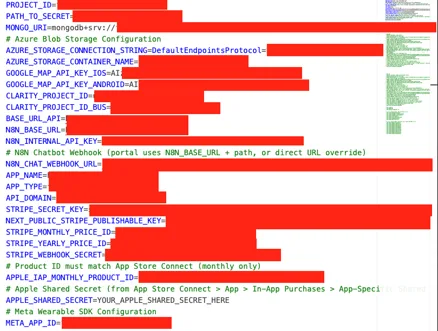
Figure 4. Sample of an exposed .env file
What Fleet Operators Need to Do Next
Protecting fleet logistics requires security controls that cover both corporate IT and the connected infrastructure supporting daily operations. The priority is to reduce initial access, limit lateral movement, and improve visibility across the systems that support fleet operations.
Implement phishing-resistant MFA. Enforce strict FIDO2/WebAuthn multi-factor authentication (MFA) across VPN gateways, remote access tools, administrative portals, and other external access points. This reduces the risk of compromise from stolen, reused, or weak credentials, the same class of weakness that brought down KNP Logistics.
Enforce a zero-trust API architecture. Transition away from static API tokens and implement runtime authorization checks, such as OAuth 2.0 with explicit scope verification. Authenticated users should only be able to access the vehicles, accounts, files, and operational records assigned to them, reducing the risk of BOLA/IDOR vulnerabilities.
Automate secrets detection in CI/CD pipelines. Integrate static application security testing (SAST), secrets scanning tools, and AI-assisted code review directly into CI/CD workflows to detect exposed credentials earlier. Builds should fail automatically when private keys, passwords, tokens, or .env files are found in repositories, application packages, or public directories.
Restrict cloud storage access policies. Apply least-privilege roles, isolate access by function, enable server-side encryption, and monitor for anomalous data transfer activity across cloud storage services. These controls can help detect or limit bulk exfiltration attempts before they escalate.
Continuously assess fleet platform exposure. Regularly test fleet portals, mobile apps, APIs, backend services, and third-party integrations. Security teams should evaluate how weaknesses in connected services could affect dispatch, routing, driver coordination, customer records, and fleet availability.
For vehicle fleet operators, continuous and contextualized risk visibility is just as important as prevention. VSOC platforms such as the VicOne xNexus support product security and incident response teams by helping them identify unknown risks earlier, prioritize findings, and respond with better operational context.
