
Cyber Risk Is Compounding. Automotive Governance Is Still Linear.
VicOne 2026 Automotive Cybersecurity Report
Automotive cyber risk no longer follows a clean sequence. Traditional platforms, software-defined systems, connected services, and AI-enabled functions now operate simultaneously inside the same vehicle ecosystem. Risk overlaps. It compounds. It accelerates. Most automotive organizations still govern risk as if these systems were separate. This report explains why continuing to govern cyber risk the same way is becoming a critical business exposure.
The automotive industry has reached a crossroads.
Overlap Era
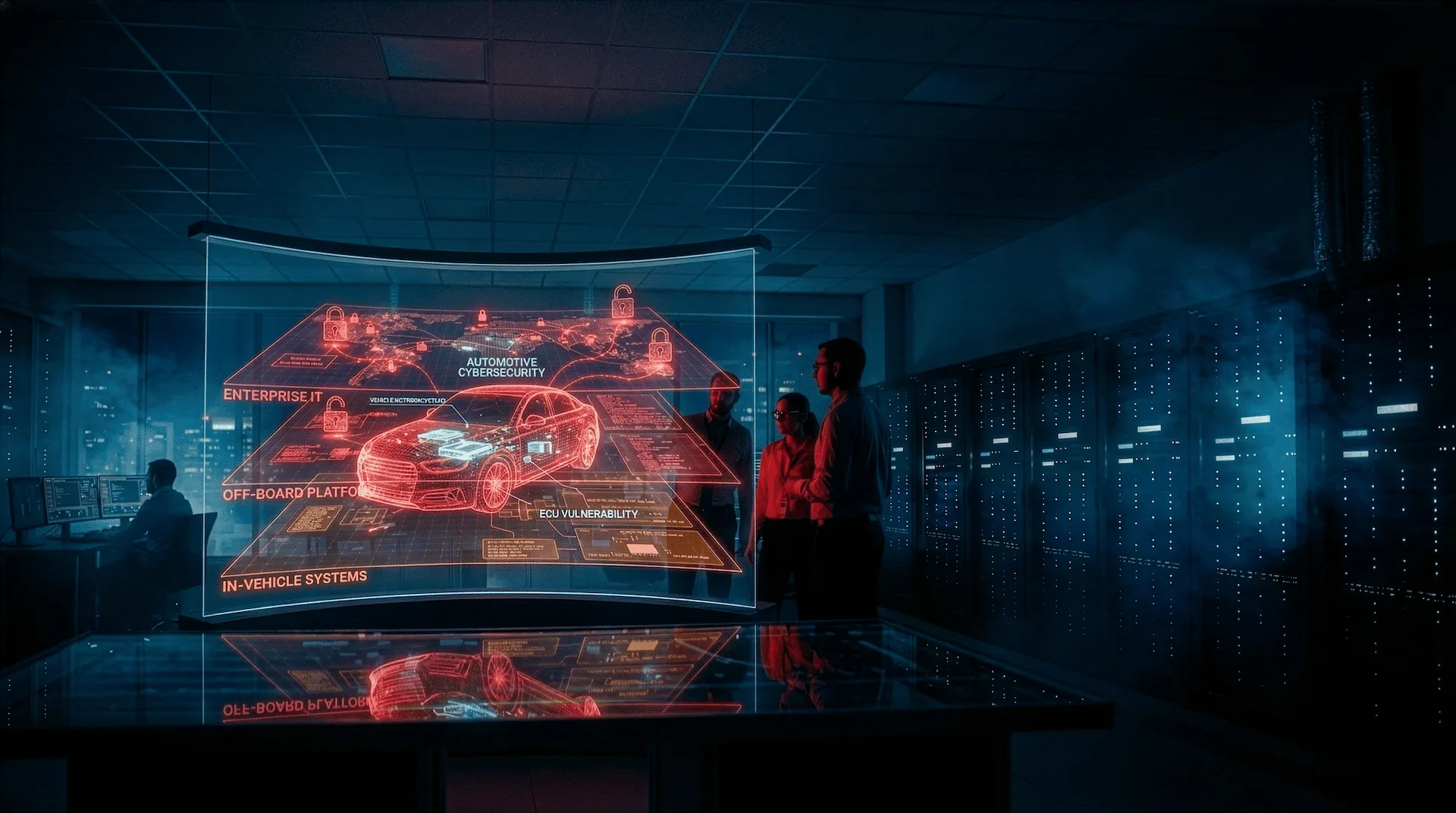
Why Automotive Cyber Risk No Longer Fits a Single Governance Model
This report does not describe future threats. It explains why today’s automotive cyber incidents already create business impact that traditional security structures can no longer contain. The findings are grounded in real-world incidents, Pwn2Own Automotive zero-day discoveries, dark and deep web intelligence, and open-source intelligence.
ACCOUNTABILITY IS NOT KEEPING UP.
ATTACK SURFACE IS EXPANDING.ACCOUNTABILITY IS NOT KEEPING UP.
From isolated systems to overlapping risk domains
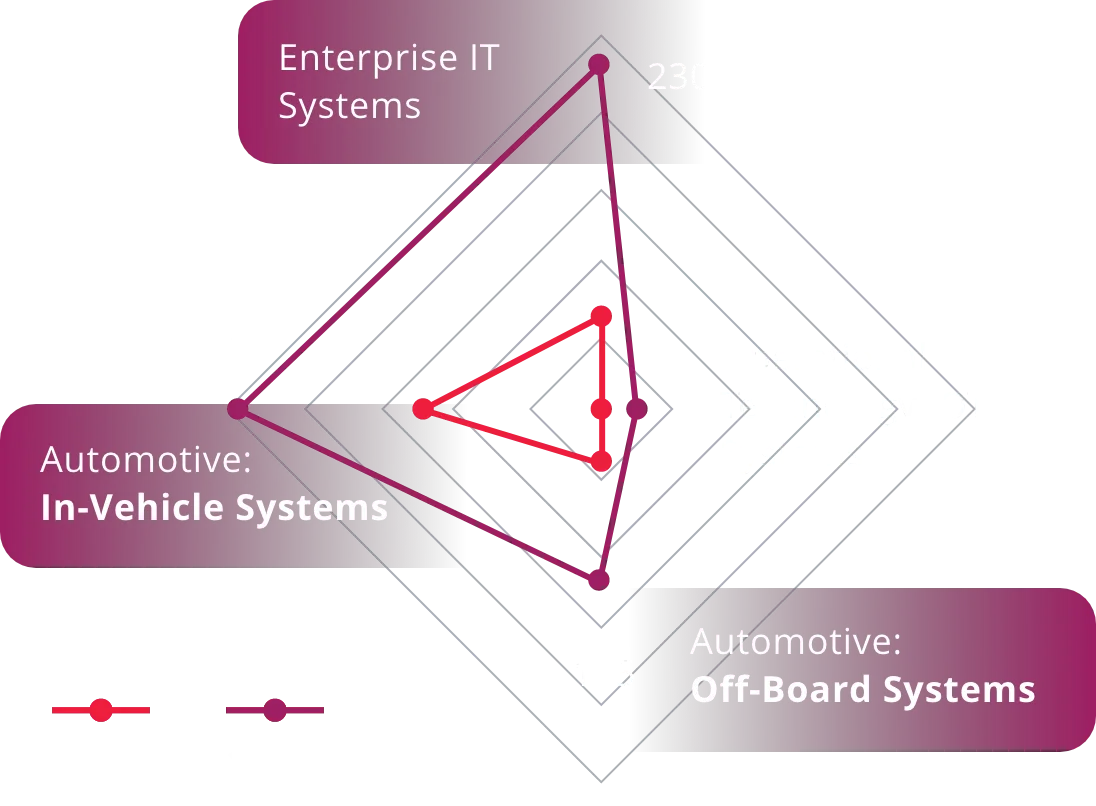
Compared to 2024, attacks now routinely span enterprise IT systems (e.g., ransomware attacks and data leakage), off-board systems, and in-vehicle systems at the same time. This is not a shift in attacker behavior. It is a shift in how automotive systems are built.
Governance still manages risk as if these systems were separate. Ownership, accountability, and decision authority remain fragmented.
Systems have converged. Accountability has fractured.

CYBER INCIDENTS NO LONGER STAY INSIDE ONE ORGANIZATION.
From local incidents to global impact
Compared to 2024, incidents impacting multiple subsidiaries or business units have more than tripled. In 2025, 161 of 610 cases became global incidents.
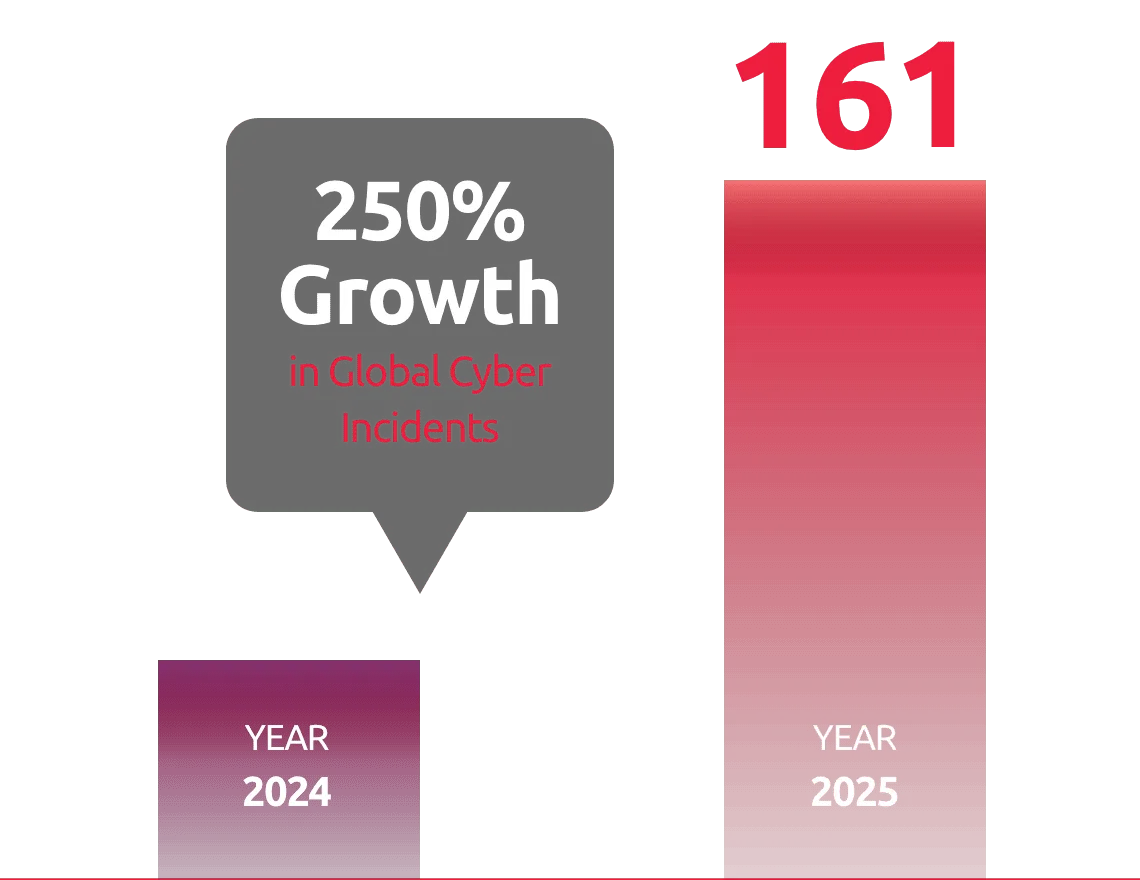
Automotive cyber risk is no longer a technical problem. It is a cross-region, cross-supply-chain governance challenge.
As software platforms and OTA infrastructures become more centralized, the impact of a single security failure expands rapidly across the entire organization.

33% OF CYBER RISK NOW DIRECTLY IMPACTS DRIVER EXPERIENCE.
Recent data confirms a structural shift. Attackers still target enterprise IT systems. They are now extending attacks into user-facing integration layers, moving upward in the vehicle architecture. This signals a new level of attacker maturity.
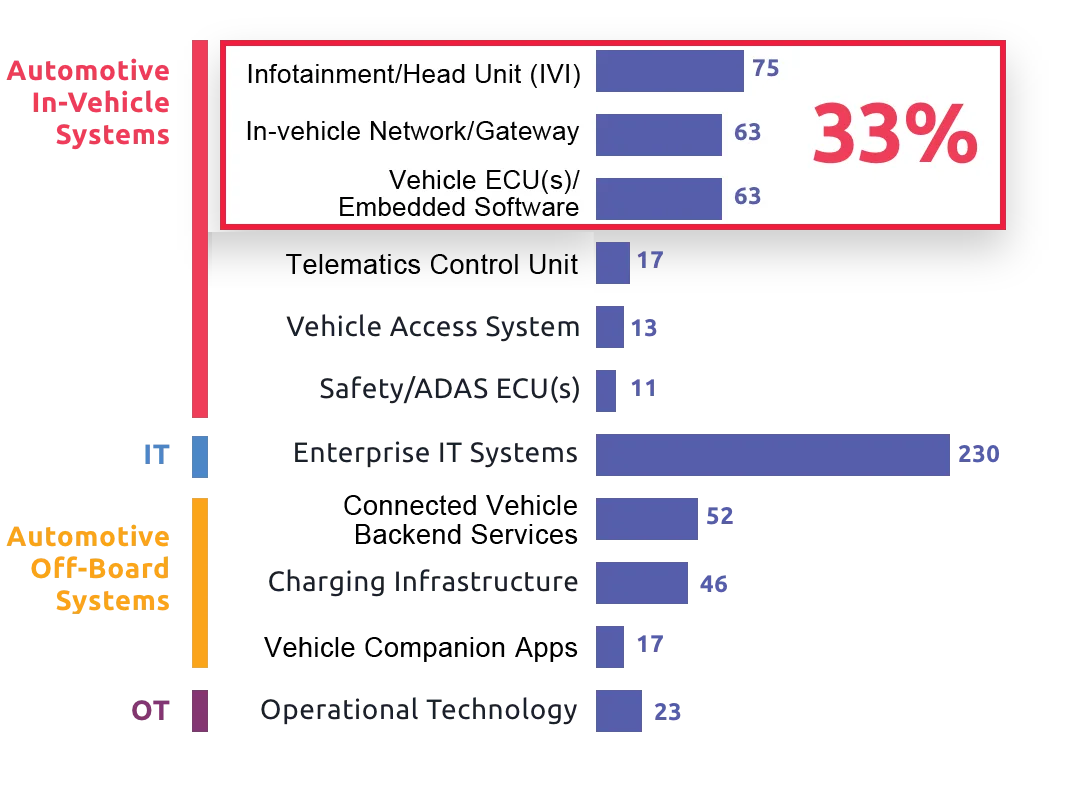
In-vehicle systems have emerged as the primary target, accounting for nearly 40% of observed attacks. These are the systems drivers interact with every day.
As cyber risk moves closer to the driver, failures become visible incidents that directly shape trust, buying decisions, and brand value. As insurance coverage lags behind system complexity, more losses shift back to manufacturers.

11% OF CYBER RISK LIVES OUTSIDE WHAT YOU CAN GOVERN.
A false sense of governance



Maintain the Old, Defend the New
How Automotive Cyber Risk Has Shifted Across Vehicle Domains.
Automotive organizations are now required to manage risk across traditional vehicle platforms, software-defined systems, and AI-defined technologies simultaneously. The Past, Present, and Future framework helps leaders identify where risk concentrates today and how it shifts as vehicle technologies continue to evolve across major vehicle functional domains.
IVI AND SMART COCKPIT SYSTEMS: Infotainment Threats
PAST
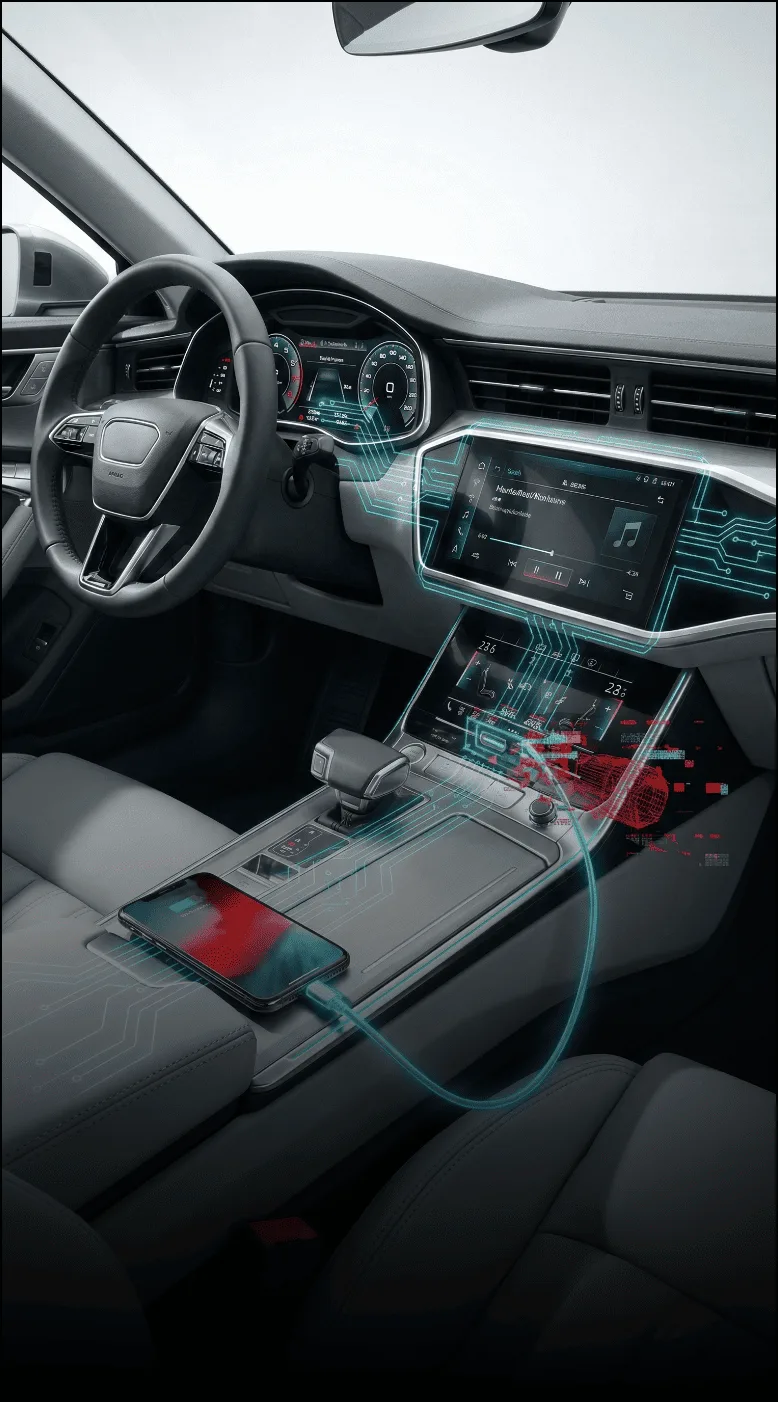
- Insecure Bluetooth/Wi-Fi
- USB-based exploits
- Browser vulnerabilities
PRESENT
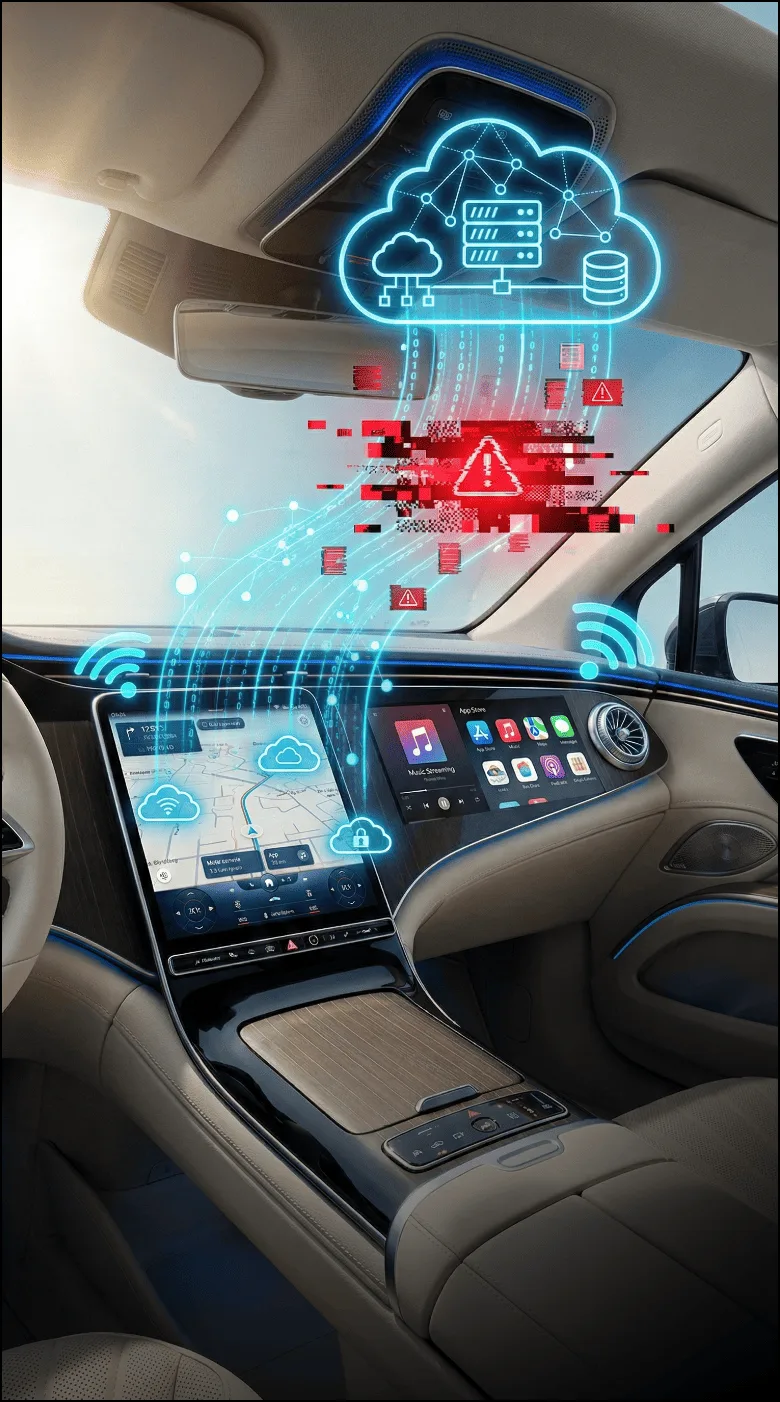
- Supply chain attacks
- OTA-based exploits
- Cloud API attacks
FUTURE
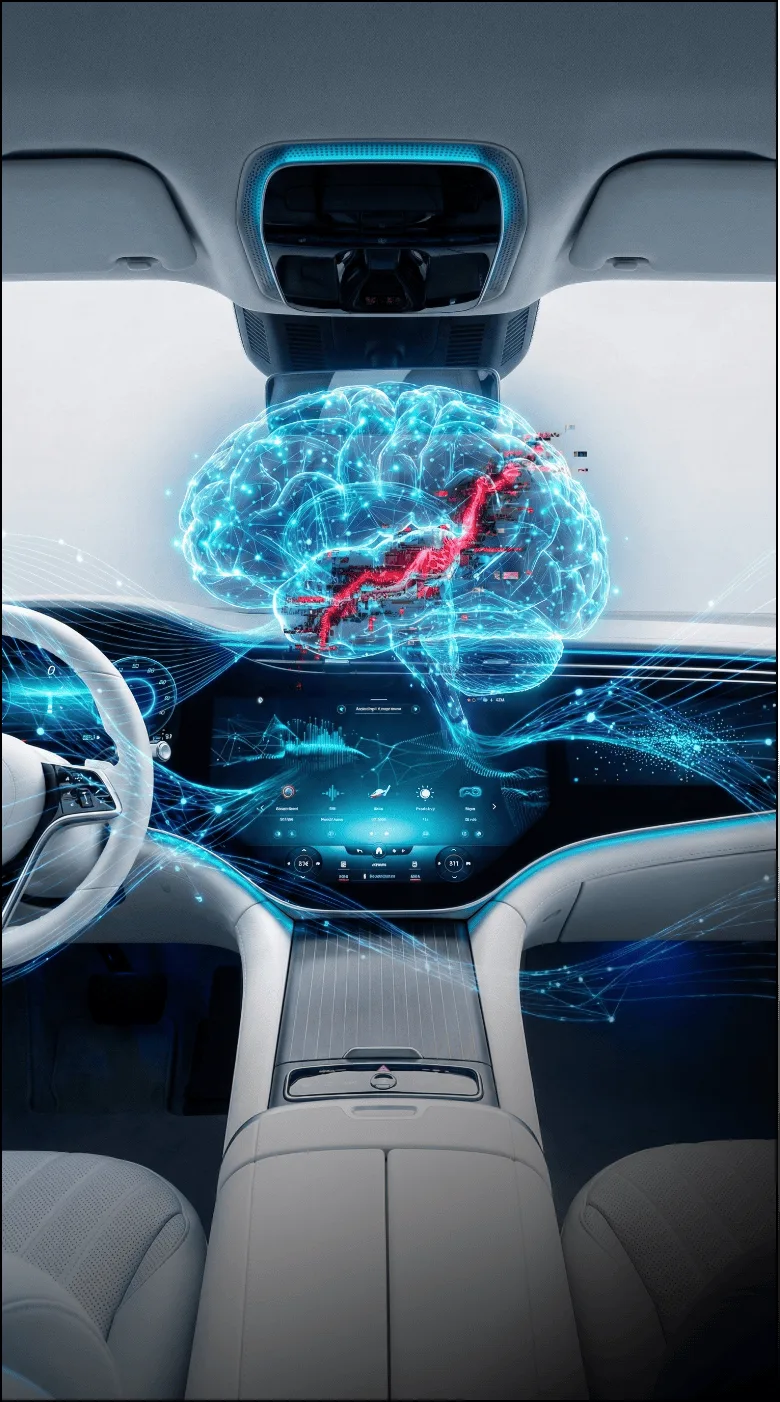
- AI-powered attacks
- V2X exploitation
- Prompt injection attacks
ADVANCED DRIVER ASSISTANCE SYSTEMS: ADAS Threats
PAST
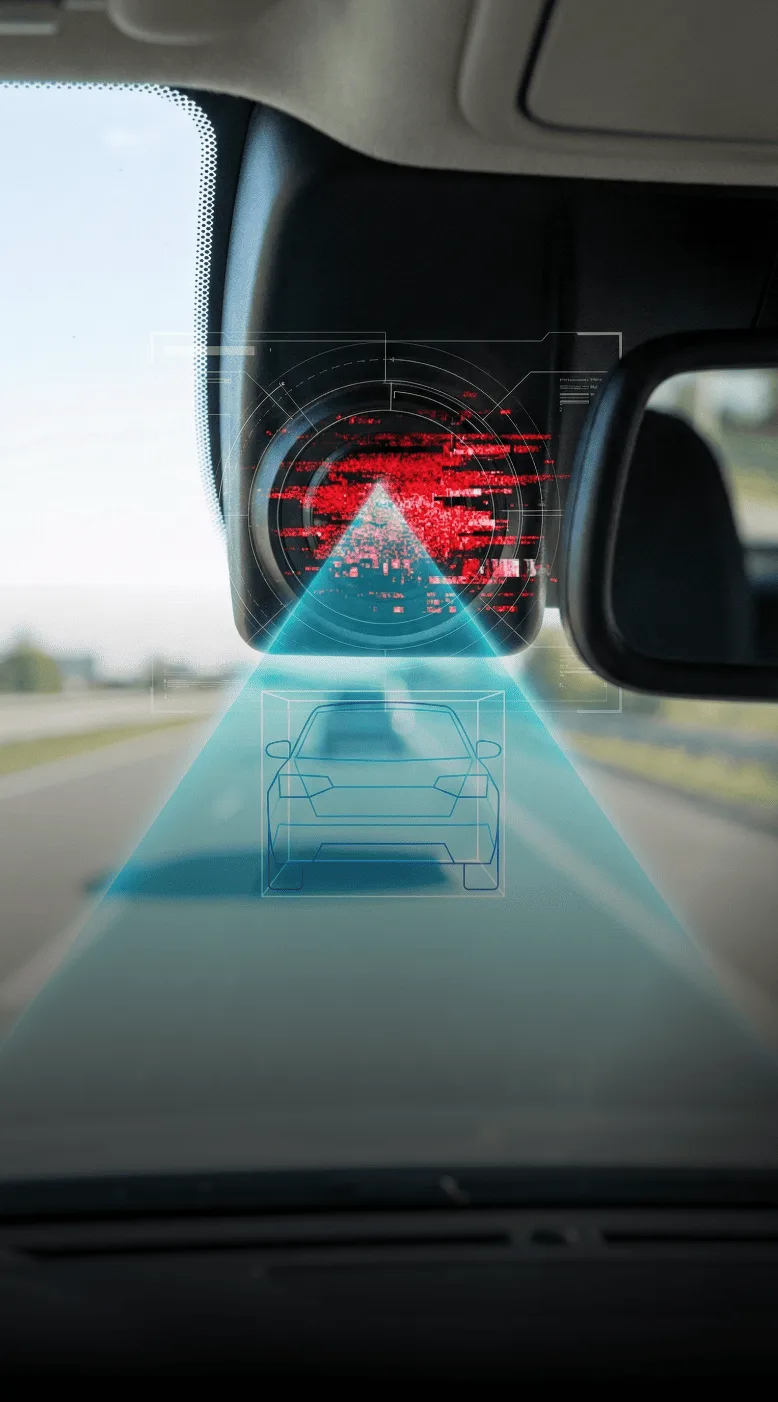
- Hardware and software weaknesses
- Unpredictable human behavior
PRESENT
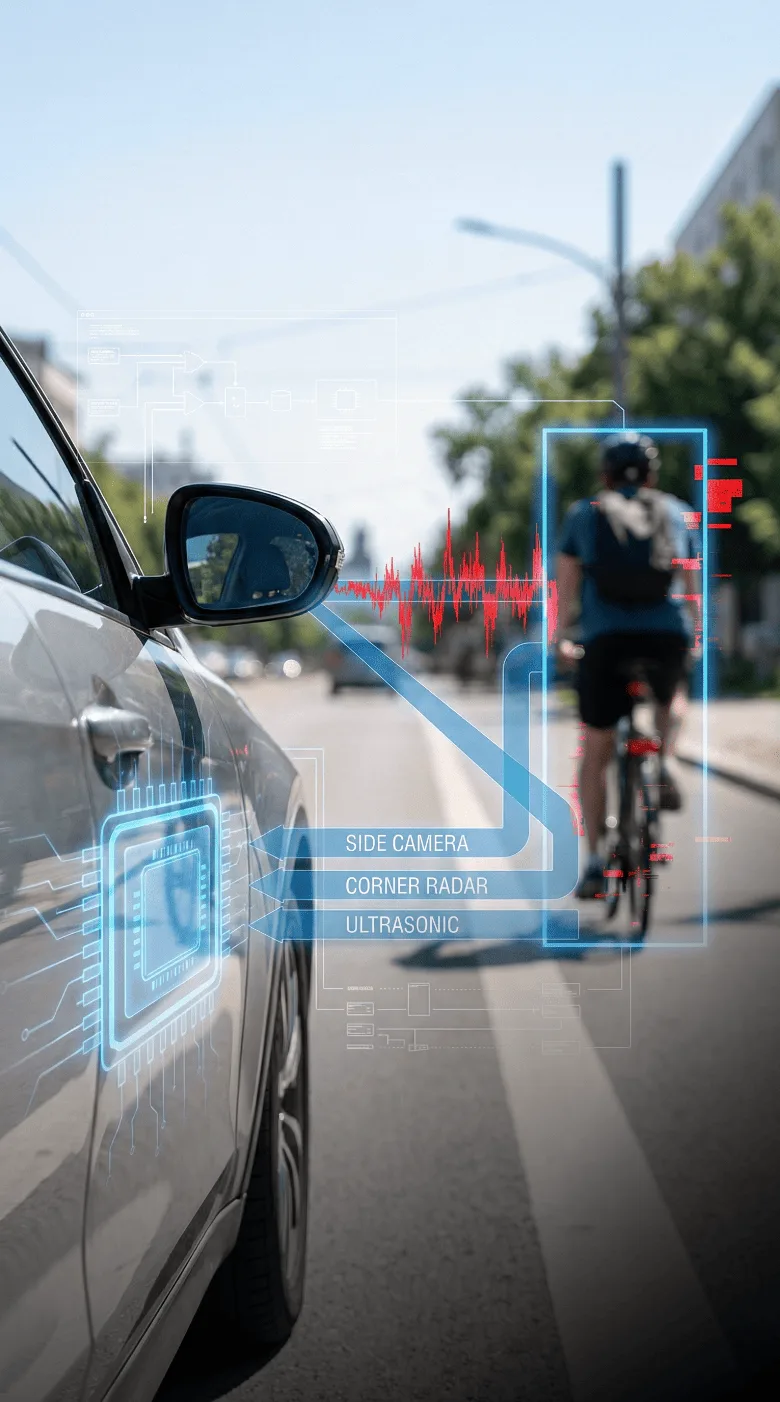
- LiDAR and camera attacks
- GNSS spoofing
FUTURE
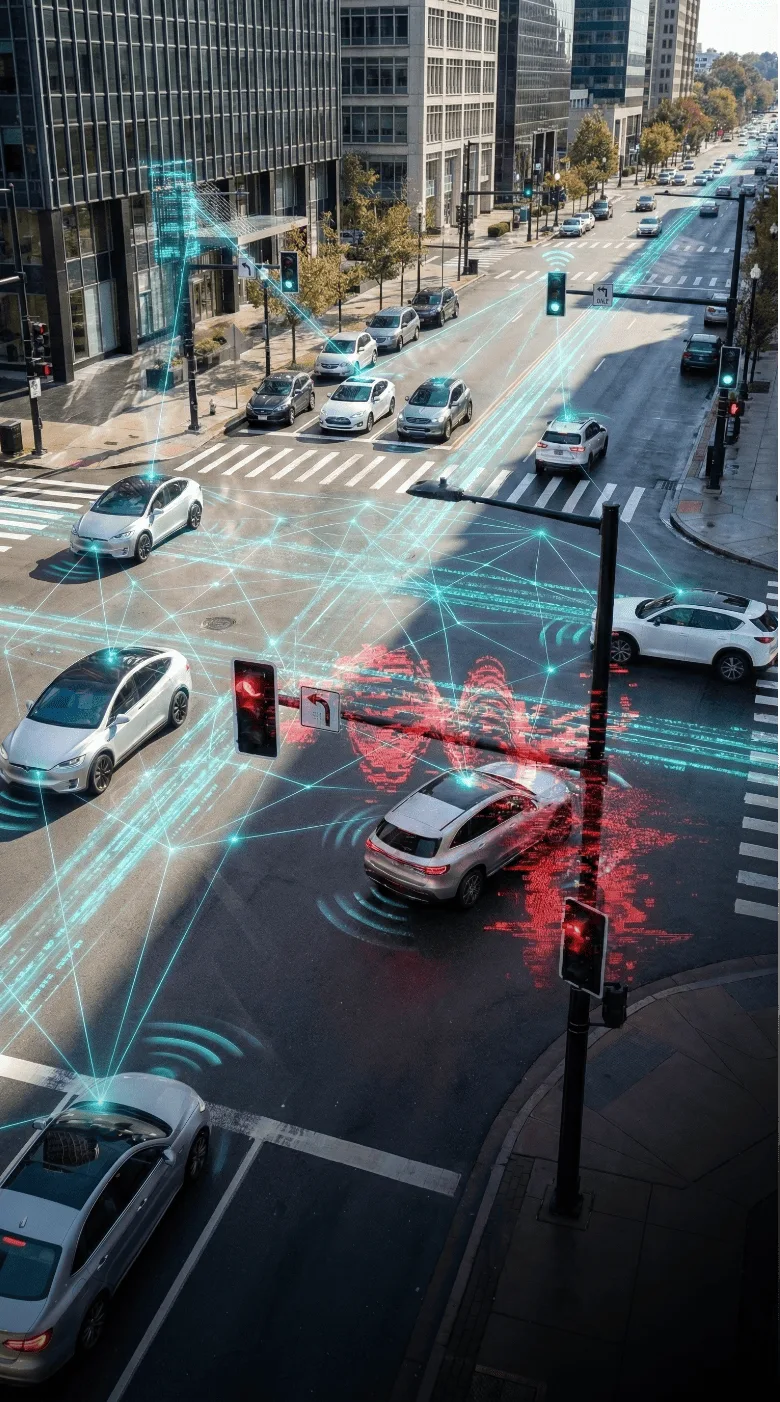
- Distributed AI risks
- V2X exploitation
POWERTRAIN: Powertrain Threats
PAST
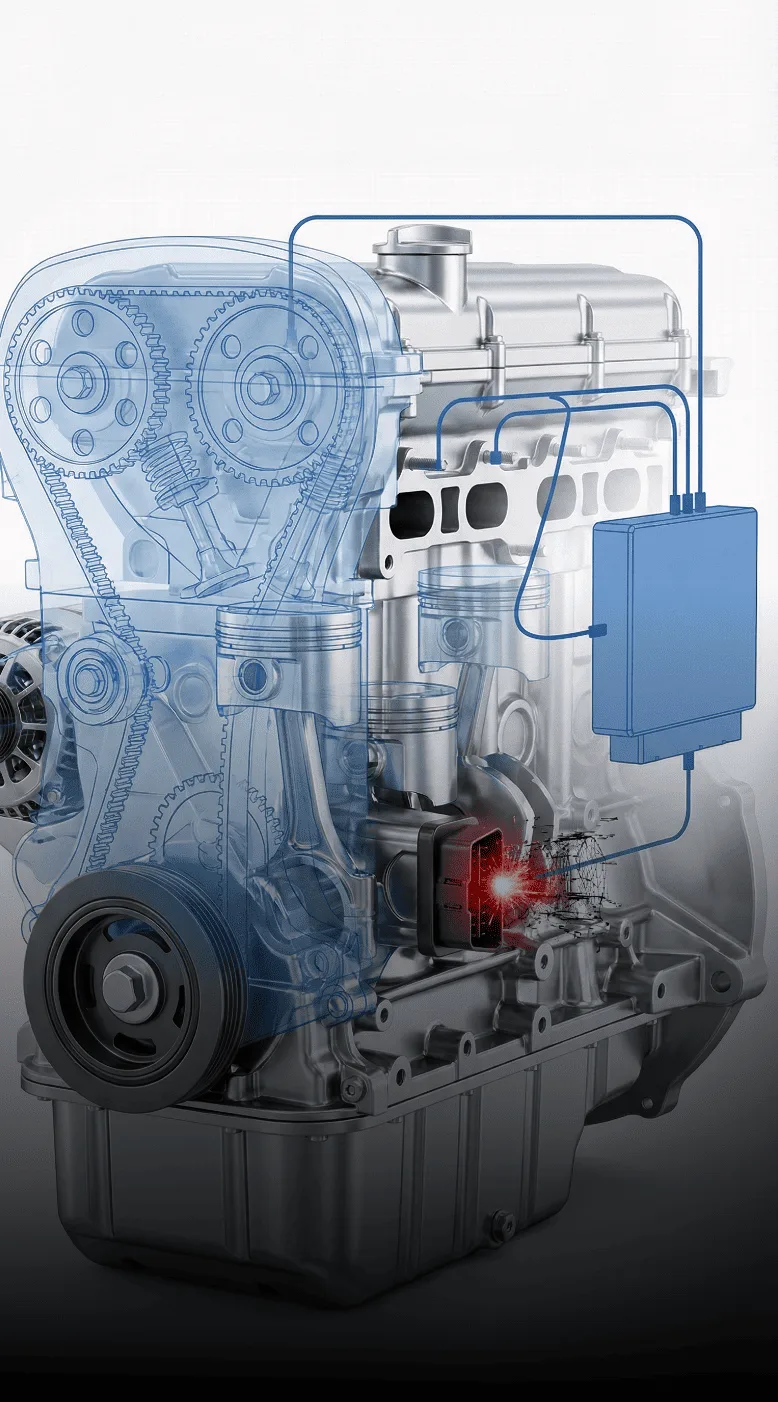
- Jailbreaking
- Diagnostics abuse
- Hardware isolation
PRESENT
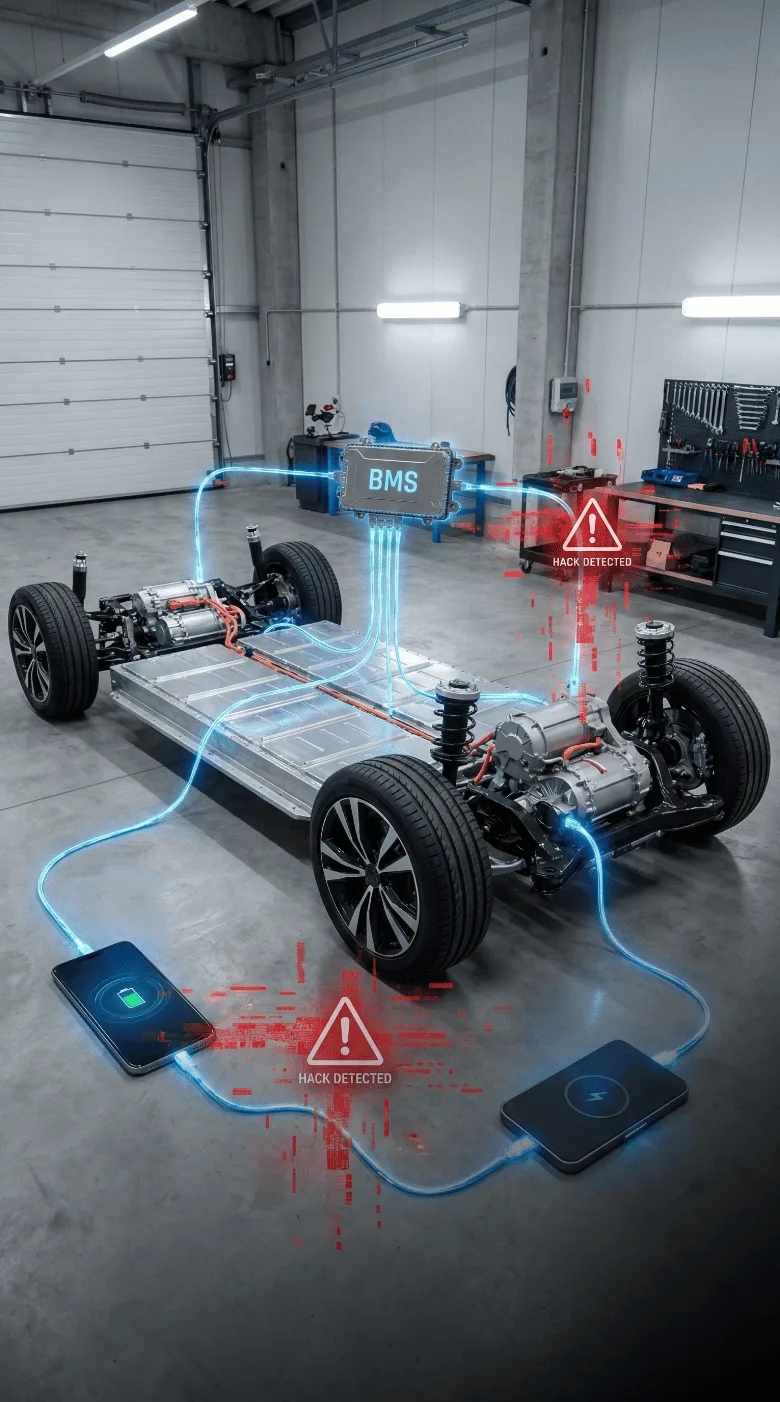
- BMS manipulation
- Spoofing battery sensor feedback
FUTURE
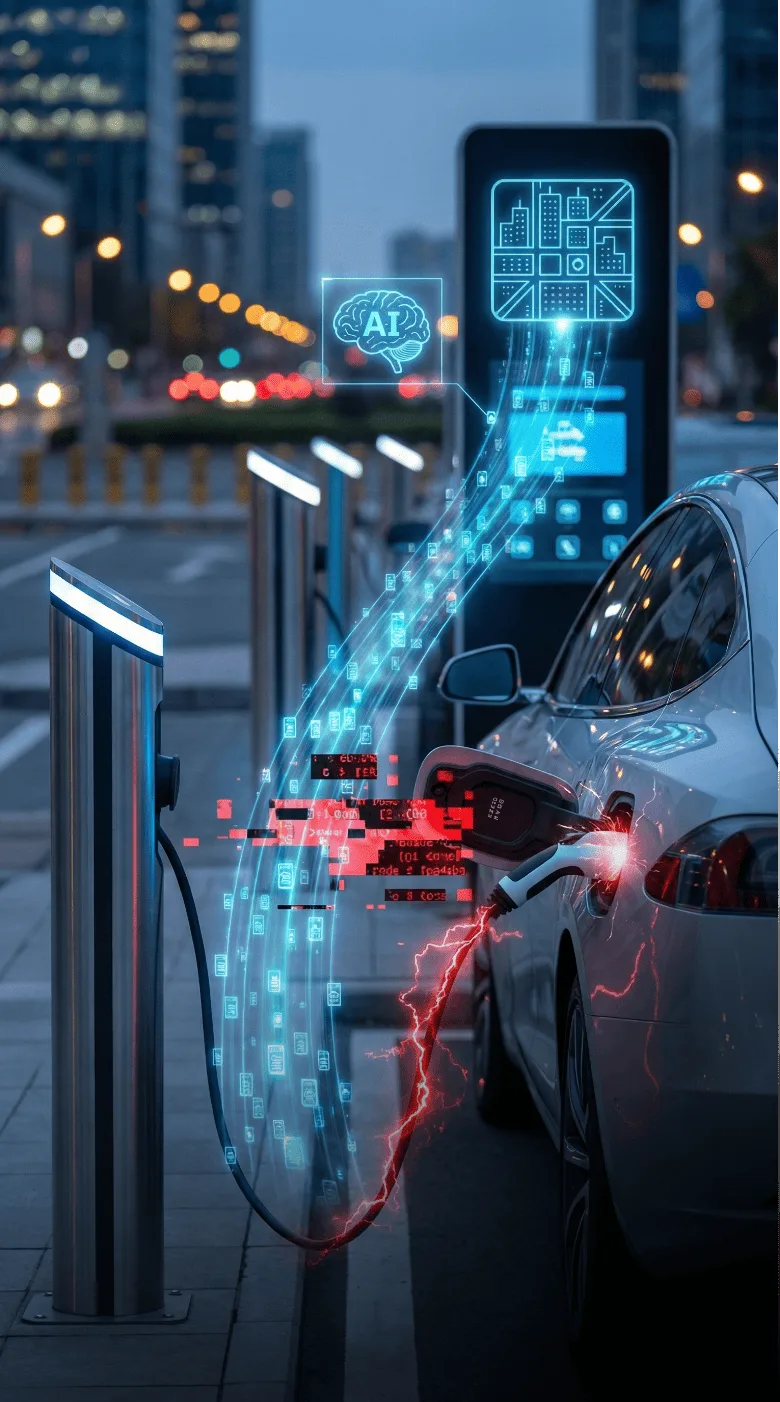
- Adversarial grid manipulation
- Powertrain model decision bias
BODY CONTROL AND ACCESS SYSTEMS: Body Control Threats
PAST
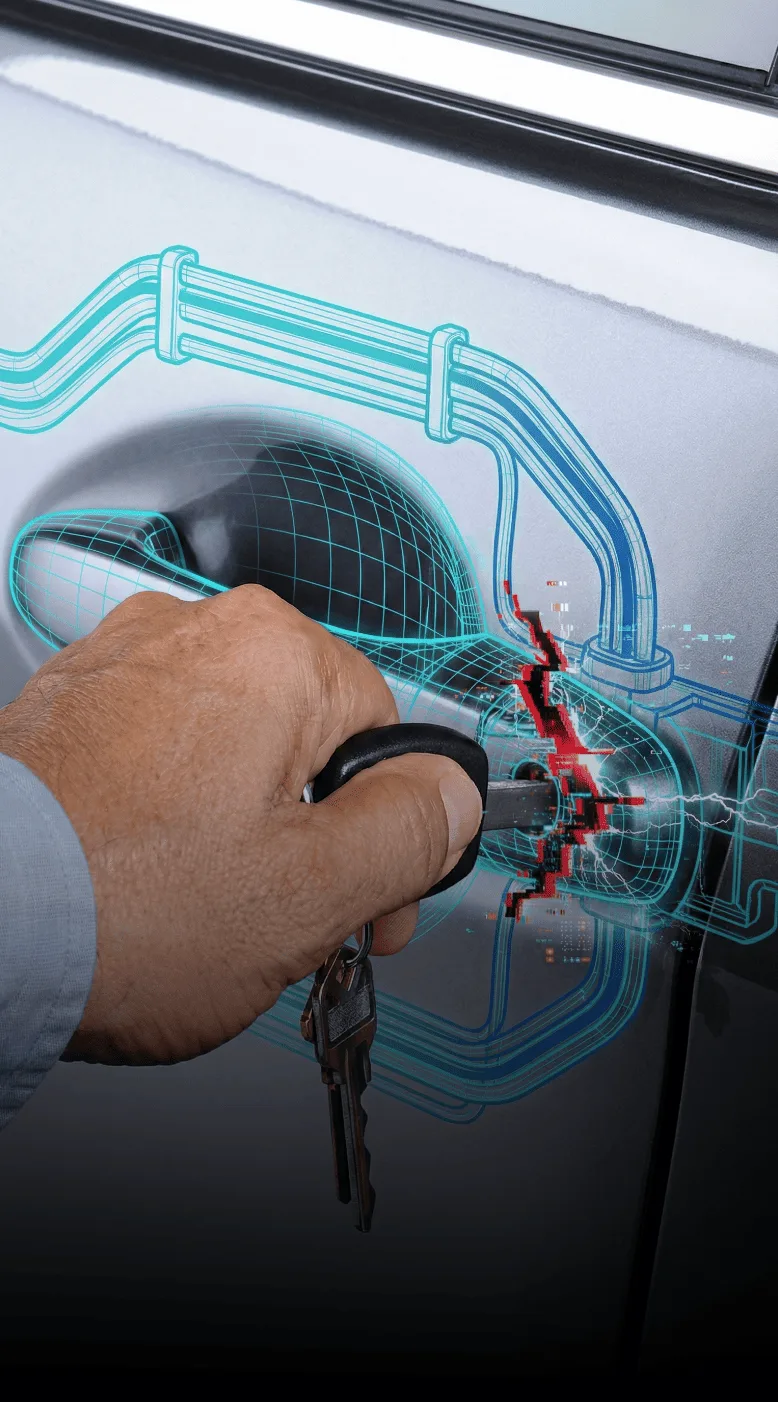
- Replay and relay attacks
- CAN injection
PRESENT
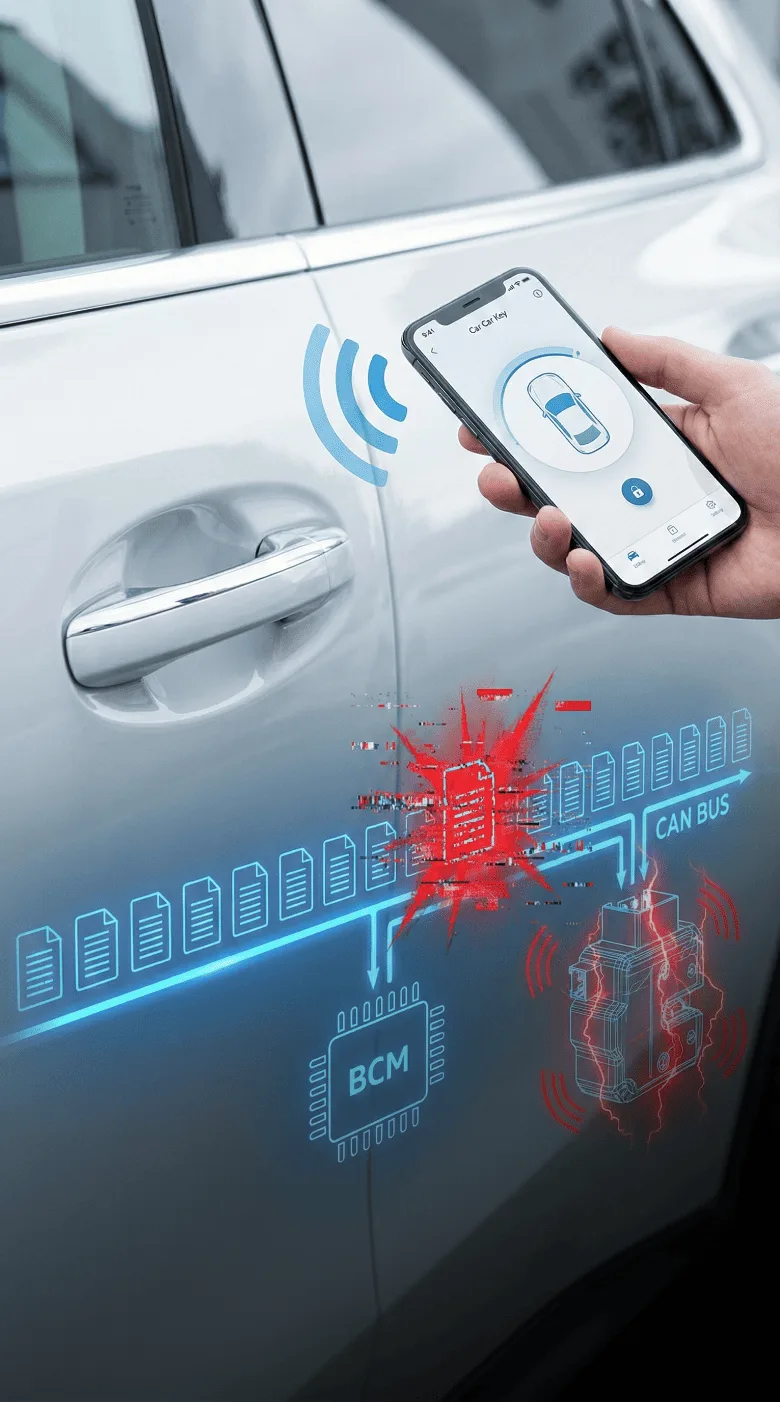
- Rolling jam
- Key programming
FUTURE
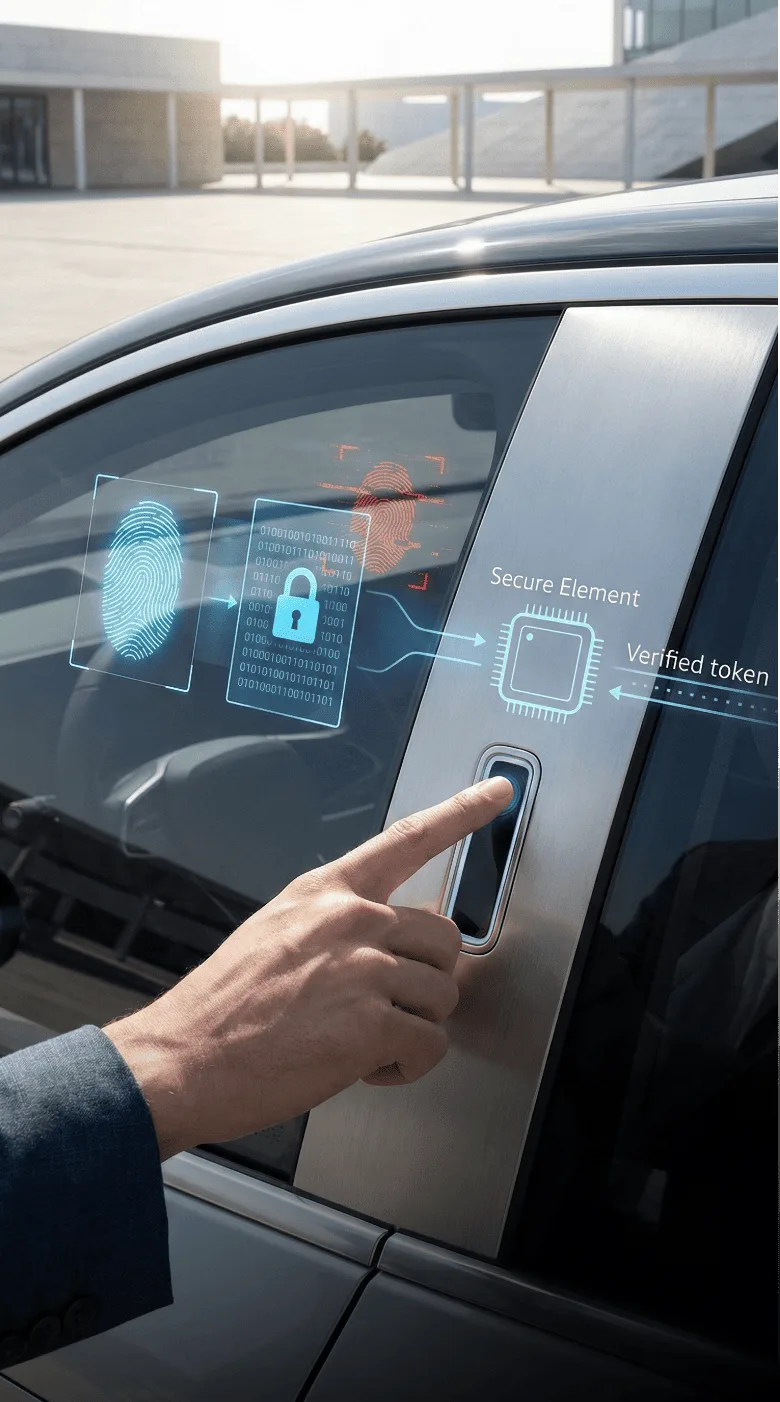
- Cryptanalysis
- Positioning and timing spoofing
EV CHARGING INFRASTRUCTURE
PAST
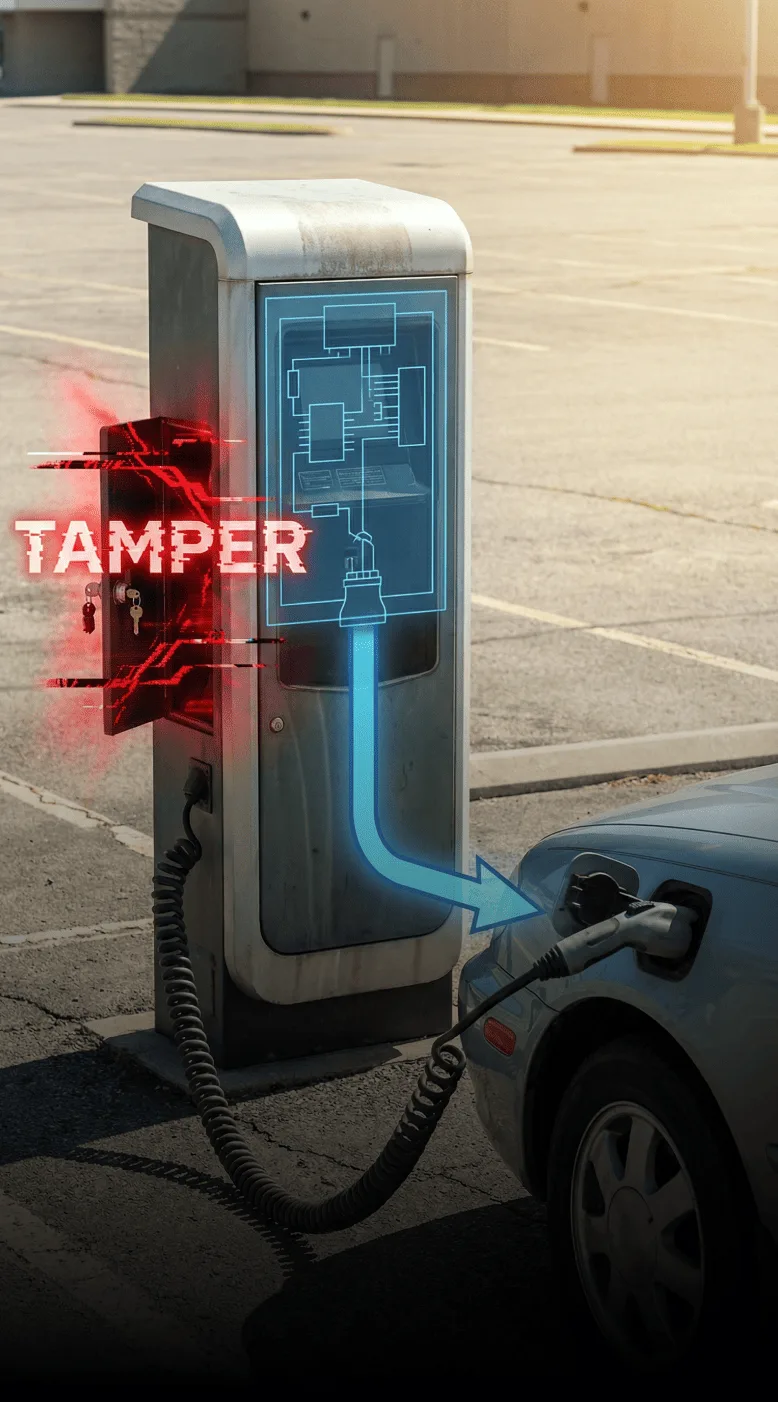
- Brokenwire attacks
- USB-based exploits
PRESENT
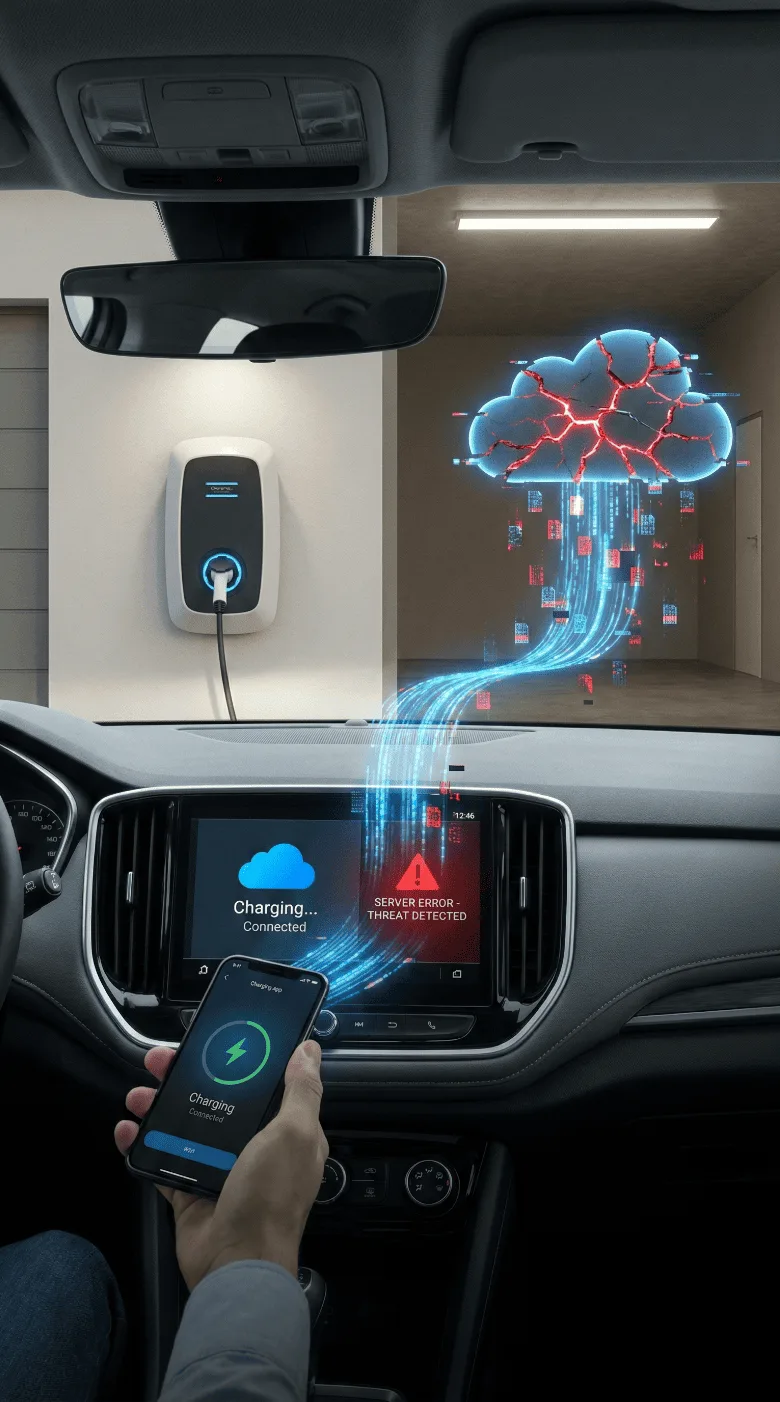
- OTA update hijacking
- API and entry point exploits
- Charging station management system (CSMS) vulnerabilities
FUTURE
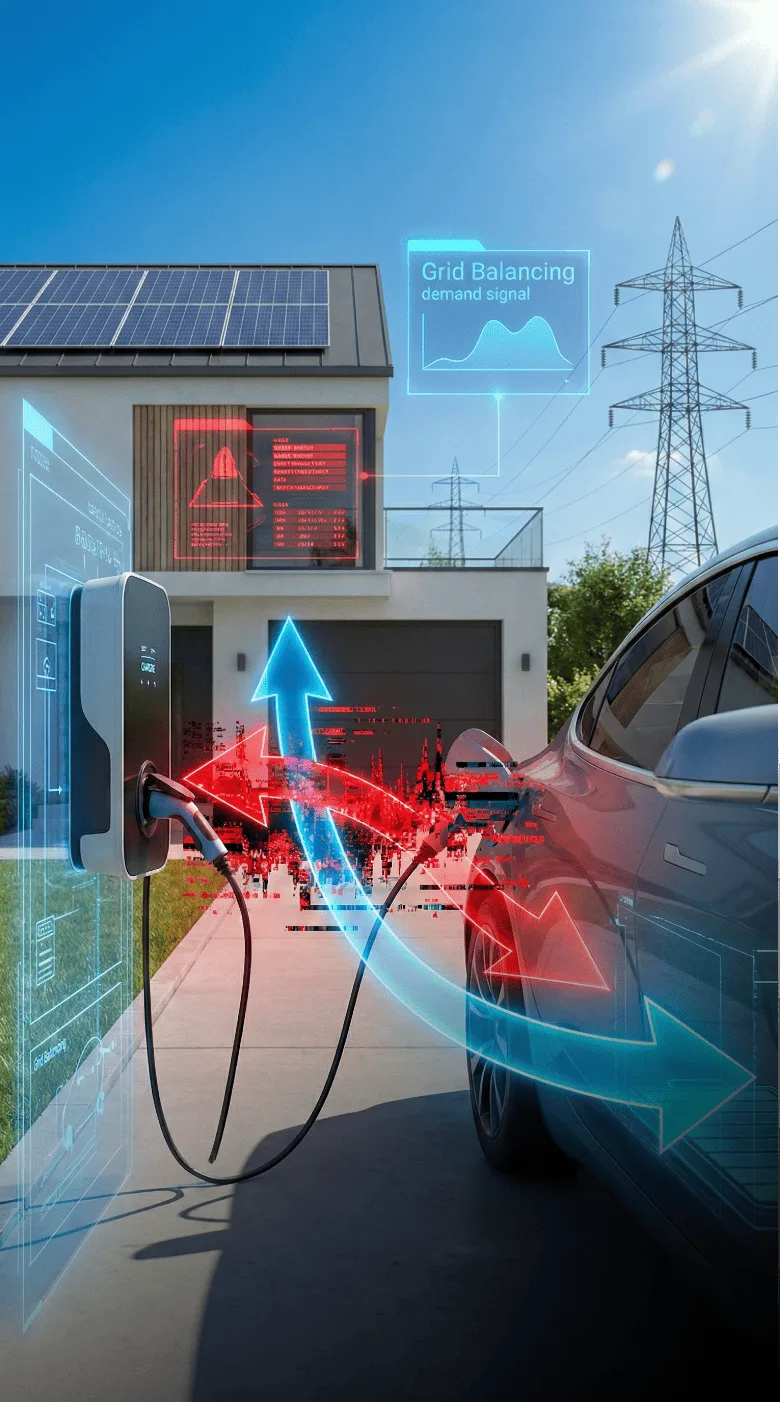
- Botnet-driven grid destabilization
- Insecure by design
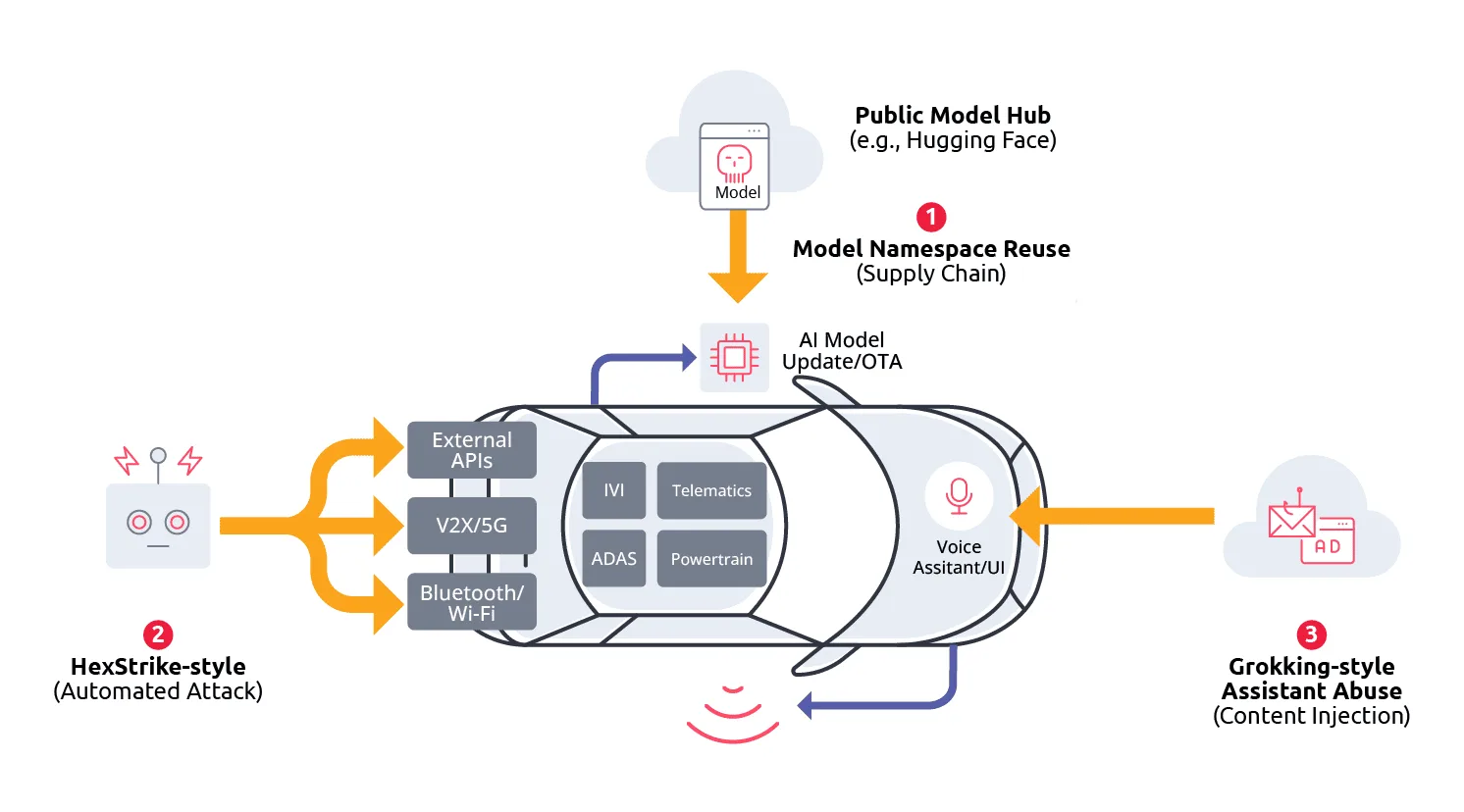
AI-DEFINED VEHICLES (AIDV): Emerging AI Threats
A Practical Path Forward in the Overlap Era
The automotive industry is entering an unprecedented era of overlapping risk domains. Success in the Overlap Era will depend on how well accountability is aligned across domains.

Ensuring OEMs can make decisions under pressure
Governance can no longer be structured around individual systems or organizational silos. As risk increasingly spans vehicle domains, enterprise IT, supply chains, and dealer environments, accountability must align with how risk propagates in practice. This enables faster, more consistent decision-making when incidents escalate.

Ensuring risk can be recalculated in real-time
Static risk models and periodic assessments are insufficient for event-driven, cross-domain attacks. Organizations need the ability to continuously recalculate risk by integrating threat intelligence, operational telemetry, and exposure data. This creates a shared, up-to-date view of risk that supports informed prioritization as conditions change.
Ensuring OEMs evolve faster than attackers
As attackers increasingly leverage automation and AI, defensive capabilities must evolve at the same pace. AI-enabled testing and red teaming transform point-in-time assessments into continuous learning loops. Insights from real attack paths feed back into risk computation, enabling organizations to adapt faster and reduce time-to-response.
Your cybersecurity decisions today will shape the next decade of vehicle trust.
THE FUTURE OF
AUTOMOTIVE
CYBERSECURITY

Cyber Incidents Become Leadership Stress Tests
Cyber incidents are no longer judged as technical failures. They are leadership stress tests, where public trust is defined by the speed and clarity of executive response.

AI Training Data Becomes the New Supply Chain Risk
As vehicles become AI-defined, compromised training data introduces a persistent risk that can shape vehicle behavior across generations and cannot be easily remediated.

Ransomware Becomes A Fleet Shutdown Weapon
Ransomware is evolving from data theft to fleet-level operational paralysis. Cyber risk will be measured by availability and revenue continuity, not just data loss.

One OTA Breach Becomes A Boardroom Crisis
Centralized OTA trust means a single breach can impact fleets at scale. Under pressure, slow decisions can rapidly escalate into mass recalls and substantial operational cost.